

Being an effective organizational ombuds takes more than strong listening skills and impartial problem-solving. It requires ongoing learning and fresh perspectives. Reading widely helps ombuds expand their practice, deepen their understanding of human behavior, sharpen conflict resolution skills, and discover new ways to foster healthier organizational cultures.
With input from colleagues and my own bookshelf, I’ve compiled a list of essential books every organizational ombuds should consider reading.
Core Readings for Understanding Ombuds Practice
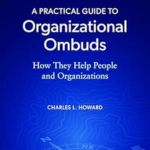
A Practical Guide to Organizational Ombuds: How They Help People and Organizations by Chuck Howard
Chuck Howard's second book is the one I return to most often. When I first met him at an IOA conference, I was fortunate to receive a signed copy, which makes it even more meaningful. More than any other resource, it helped me grasp the essence of the ombuds profession: what ombuds do, why organizations benefit, and how confidentiality is both essential and powerful.

The Organizational Ombuds: Foundations, Fundamentals & The Future by IOA Publishing
A big thank you to IOA's Executive Director, Ellen Miller, who encouraged us to add this to our list. This collaborative work brings together contributions from 45 ombuds practitioners, including four MWI Organizational Ombuds Panel Members, Bina Patel, Brent Epperson, Ellen Reardon, Elizabeth Hill, and Jacqueline Villafañe.
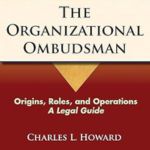
The Organizational Ombudsman: Origins, Roles, and Operations by Chuck Howard
Chuck Howard’s first book provides the essential foundation for anyone seeking to understand the role of an organizational ombuds. He traces the profession’s history, explains the principles of confidentiality, independence, impartiality, and informality, and illustrates how they work in practice.
Building Conflict Resolution Skills: Key Reads for Ombuds
Difficult Conversations by Douglas Stone, Bruce Patton, and Sheila Heen
A classic from the Harvard Negotiation Project, this book equips readers to handle tough conversations where emotions run high and relationships are at stake. The authors explain why these conversations feel so difficult and how clarity, curiosity, and empathy can change the outcome.
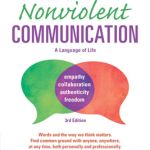
Nonviolent Communication by Marshall B. Rosenberg
Rosenberg’s influential framework teaches readers to observe without judgment, express feelings and needs, and make clear requests. I was first introduced to his work by my colleague Scott Loring, who has presented on this topic at MWI Roundtables.
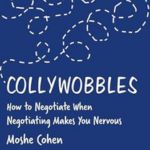
Collywobbles: How to Negotiate When Negotiating Makes You Nervous by Moshe Cohen
When I started at MWI in 2001, Moshe Cohen was one of the first practitioners I met, and his work has shaped mine ever since. This book helps readers build confidence when negotiation feels intimidating. With practical strategies and relatable stories, Cohen shows how preparation, empathy, and creativity improve outcomes.
Looking for additional conflict resolution books?
Organizational Culture: Insights Every Ombuds Should Know

The Fearless Organization by Amy C. Edmondson
Edmondson’s research on psychological safety shows why employees thrive when they feel safe to speak up and organizations lose when they do not. Her strategies fit well with ombuds practice, reinforcing how ombuds help people feel heard.
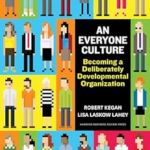
An Everyone Culture by Robert Kegan & Lisa Lahey
Kegan and Lahey introduce the concept of deliberately developmental organizations, workplaces designed for both business success and employee growth. They reframe conflict and feedback as opportunities for learning.

Ombuds Work in Higher Education: A Practical Guide by Lies Poesiat
Recommended by Jan Gałkowski, this guide reflects nearly 20 years of academic ombudsing experience. It is practical, expert, and grounded in the daily realities of higher education. This book is worth reading even if you are an ombuds practicing outside of higher education.
Leading with Dignity by Donna Hicks
Suggested by Amy Hartman, this book explores dignity as a fundamental human need that, when honored, strengthens relationships and causes harm when violated. Hicks offers practical strategies for restoring dignity in workplaces.
Trauma-Informed & Equity Resources for Ombuds
The Body Keeps the Score by Bessel van der Kolk
A groundbreaking exploration of how trauma affects the brain, body, and behavior. Van der Kolk outlines paths to healing that go beyond talk therapy, highlighting approaches such as mindfulness, movement, and neurofeedback. The book offers both scientific insight and practical strategies for restoring a sense of safety and connection.

My Grandmother’s Hands by Resmaa Menakem
Menakem offers a body-centered approach to healing racialized trauma, with exercises that build resilience and cross-cultural understanding. He highlights how inherited pain lives in the body and provides practical tools for developing capacity, courage, and connection.
Ethics & Professional Standards at the Heart of Ombuds Work
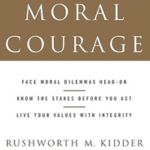
Moral Courage by Rushworth Kidder
Kidder offers a framework for making ethical decisions with integrity and courage, even in gray areas without clear “right” answers. Through real-world examples, he shows how to navigate tough dilemmas with principle and clarity.

IOA Standards of Practice and Code of Ethics, International Ombuds Association
While not a book, these standards form the backbone of the ombuds profession. They outline the core principles of confidentiality, impartiality, independence, and informality that guide our work.
Communication Tools to Strengthen Ombuds Practice
Taking the War Out of Our Words by Sharon Strand Ellison
This classic, recommended by Liz Hill, has become an important resource in communication. Ellison teaches a way of speaking and listening without defensiveness or blame. Her approach replaces argument and persuasion with clarity, curiosity, and authenticity.
Thanks for the Feedback by Douglas Stone & Sheila Heen
Stone and Heen explore why feedback can feel so threatening and how to receive it productively. They provide strategies to manage defensiveness and embrace feedback as growth. They introduce receiving feedback effectively as a skill and provide helpful ideas and tools.
Speak-Up Culture by Stephen Shedletzky
Recommended by my colleague Scott Deyo, this book emphasizes building organizations where people feel safe to voice ideas and concerns. Shedletzky offers research, stories, and guidance for leaders.
Closing Thoughts
Many of these books have helped me broaden my perspective, sharpen my skills, and deepen my practice, and I hope they do the same for you.
What’s on your ombuds bookshelf? Share your favorite reads in the comments section below. MWI would love to keep building this collective library of wisdom together for the ombuds community.

I missed my book titled “the importance of ombuds work” in your list of important books an ombudsman should have on his/her shelf. I was an organisational ombudsman in different higher education institutions in the Netherlands for more than 20 years.
I added the preface of Rob Behrens (ombudsman United Kingdom).
Best wishes,
Paul Herfs. PhD
Utrecht
The Netherlands
/Users/paul/Documents/omslag ombudswork klein.pdf
Preface by Rob Behrens
In this gem of a book, Paul Herfs sets out his distilled wisdom of nearly half a century in higher education to explain, critique, and advocate for the role of university Ombuds in a changing, hierarchical and imperfect world. With clarity and precision, and combining respect for the evidence-base with unique insight into the challenges and ambiguities facing Ombuds of all types, Herfs locates Ombuds as ‘fairness agents in higher education’ providing public value by the application of key competences and core values to student and staff detriments.
Each chapter draws on Herfs’s personal experience and leadership as the university Ombuds idea has slowly grown in The Netherlands. And this experience is enriched by his long-standing interest and research in comparative, international, approaches to Ombuds institution building enabling him to drive debate and change by pointing to good practice and innovation across the world.
What makes the book essential reading is his clear illustration of the utility of the Ombuds role combined with wise counsel about the realities of effective practice. So, despite growing stakeholder awareness of the role, he warns about what are still weak and overlapping Ombuds mandates in universities, ‘transgressive behaviour’ and those who still see Ombuds as ‘counterforces’ or even ‘a louse in the fur’ within them.
Each chapter sets out examples of how Herfs has used his skills and experience to drive the Ombuds institution forward by (for example) developing the opportunities for Ombuds professional development (the Summer School for Dutch Ombudspersons is a key annual event in the calendar) documenting the sub-optimal way universities manage doctoral candidates and (using comparative research) setting out how it could be done better, and defining the competences, skills and ambiguities inherent in successful practice.
The Ombuds world has been fortunate to have Herfs as a much-admired and respected colleague for a generation. This book is a testimony to his immense contribution.
Rob Behrens,
Manchester, United Kingdom,
Thank you for sharing this resource, Paul. I appreciate the recommendation and look forward to adding your book to my reading list.
This is a great list, Josh, and I suspect it is about to become quite lengthy. I have been working with office visitors whose anger issues are causing problems in the workplace, to the point where some of my visitors’ jobs are in jeopardy and their co-workers are suffering. I have an educational regimen that includes conflict management skills, active listening techniques, and awareness of their own emotional intelligence and capacity to empathize. Throughout that process and after, we discuss their particular situations and how to visualize different ways of handling themselves in the future. When we are done, I hand them a copy of Marshall Rosenberg’s Non-Violent Communication; not as a gift, but as a tool to build skills and better understanding of themselves and others. I was pleased to see that book on your list. A couple of books I would add are Ken Cloke’s “The Dance of Opposites” to understand the perspectives of others, and “The Art of Waking People Up,” for working within systems and institutions.
Hi Kevin,
Thank you so much for sharing your experience and recommendations. I really appreciate hearing how you’re supporting visitors in such thoughtful, skill-building ways, and I love that you’re using Nonviolent Communication as a practical tool. I’ll definitely take a closer look at The Dance of Opposites and The Art of Waking People Up. Thank you for the additions!
Josh