
October 13, 2026 Presentation
Presentation title and slide deck placeholder.
Slides Coming Soon
MassBar • Conflict Resolution Week • 2026
Continue learning with presentation materials and practical resources for understanding the role of an organizational ombuds including videos, books, courses, and podcasts selected for Conflict Resolution Week.
Download materials from the week’s featured programs. Links can be added as soon as the final slide decks are available.
Presentation title and slide deck placeholder.
Slides Coming SoonPanel title and slide deck placeholder.
Slides Coming SoonMeet the speakers and panelists participating in Conflict Resolution Week discussing Ombuds.
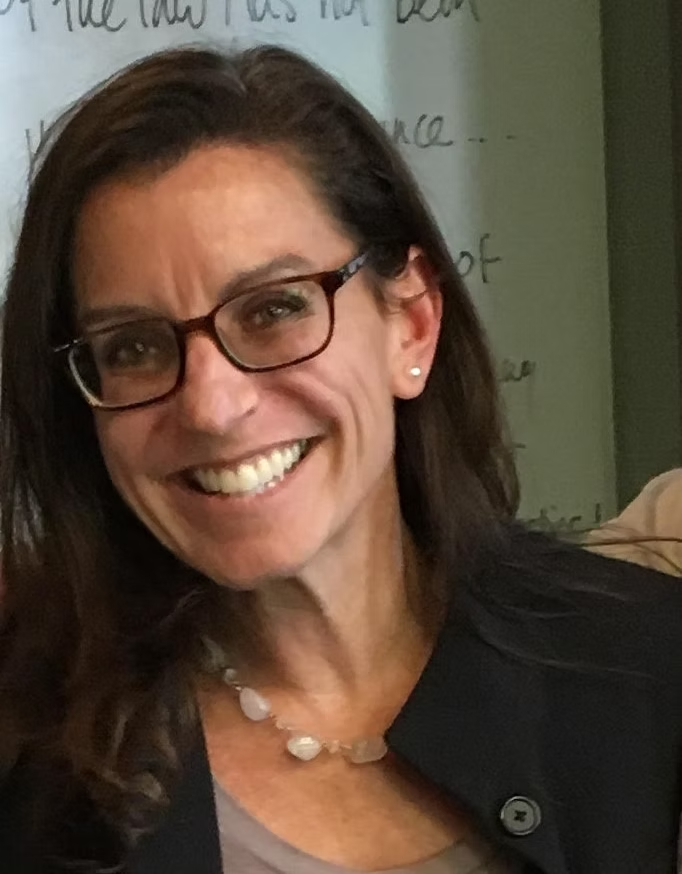



ADR Coordinator for the Trial Court, Executive Office of the Trial Court
Chair, Massachusetts Bar Association Dispute Resolution Section
An organizational ombuds is a confidential, impartial, independent, and informal resource who helps people explore workplace concerns, understand options, and navigate conflict.
Explore the professional standards that guide organizational ombuds practice and an emerging legislative framework designed to support the role.
The International Ombuds Association (IOA) is a professional organization that promotes the principles and practices of organizational ombuds and trains ombuds worldwide. These documents provide a framework for the ombuds’ commitment to confidentiality, impartiality, independence, and informality.
In February 2026, the American Bar Association House of Delegates adopted Resolution 503, urging states to adopt the Organizational Ombuds Practices Act. The model legislation establishes a framework for organizational ombuds programs built around independence, impartiality, informality, and confidentiality, and addresses protections for confidential ombuds communications and information.
Explore introductions, perspectives, and conversations about the ombuds role and its value in addressing organizational conflict.
International Ombuds Association
TEDxUCLA • Tom Kosakowski
Books and professional standards that deepen understanding of ombuds practice, conflict engagement, organizational culture, trauma-informed work, ethics, and communication.
Chuck Howard's second book is the one I return to most often. When I first met him at an IOA conference, I was fortunate to receive a signed copy, which makes it even more meaningful. More than any other resource, it helped me grasp the essence of the ombuds profession: what ombuds do, why organizations benefit, and how confidentiality is both essential and powerful.
A big thank you to IOA's Executive Director, Ellen Miller, who encouraged us to add this to our list. This collaborative work brings together contributions from 45 ombuds practitioners, including four MWI Organizational Ombuds Panel Members, Bina Patel, Brent Epperson, Ellen Reardon, and Jacqueline Villafañe.
Chuck Howard’s first book provides the essential foundation for anyone seeking to understand the role of an organizational ombuds. He traces the profession’s history, explains the principles of confidentiality, independence, impartiality, and informality, and illustrates how they work in practice.

In this article from the Journal of the International Ombuds Association, Conflict Resolution Week panelist Israela Adah Brill-Cass explores ombuds practice through the lens of neurodiversity and considers how ombuds can better recognize and respond to different ways people communicate, process information, and navigate conflict.
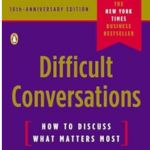
A classic from the Harvard Negotiation Project, this book equips readers to handle tough conversations where emotions run high and relationships are at stake. The authors explain why these conversations feel so difficult and how clarity, curiosity, and empathy can change the outcome.
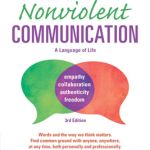
Rosenberg’s influential framework teaches readers to observe without judgment, express feelings and needs, and make clear requests. I was first introduced to his work by my colleague Scott Loring, who has presented on this topic at MWI Roundtables.
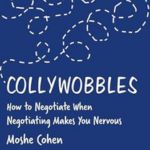
When I started at MWI in 2001, Moshe Cohen was one of the first practitioners I met, and his work has shaped mine ever since. This book helps readers build confidence when negotiation feels intimidating. With practical strategies and relatable stories, Cohen shows how preparation, empathy, and creativity improve outcomes.
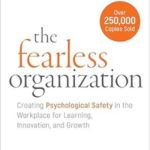
Edmondson’s research on psychological safety shows why employees thrive when they feel safe to speak up and organizations lose when they do not. Her strategies fit well with ombuds practice, reinforcing how ombuds help people feel heard.
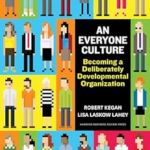
Kegan and Lahey introduce the concept of deliberately developmental organizations, workplaces designed for both business success and employee growth. They reframe conflict and feedback as opportunities for learning.

Recommended by Jan Gałkowski, this guide reflects nearly 20 years of academic ombudsing experience. It is practical, expert, and grounded in the daily realities of higher education. This book is worth reading even if you are an ombuds practicing outside of higher education.
Suggested by Amy Hartman, this book explores dignity as a fundamental human need that, when honored, strengthens relationships and causes harm when violated. Hicks offers practical strategies for restoring dignity in workplaces.
A groundbreaking exploration of how trauma affects the brain, body, and behavior. Van der Kolk outlines paths to healing that go beyond talk therapy, highlighting approaches such as mindfulness, movement, and neurofeedback. The book offers both scientific insight and practical strategies for restoring a sense of safety and connection.

Menakem offers a body-centered approach to healing racialized trauma, with exercises that build resilience and cross-cultural understanding. He highlights how inherited pain lives in the body and provides practical tools for developing capacity, courage, and connection.
Kidder offers a framework for making ethical decisions with integrity and courage, even in gray areas without clear “right” answers. Through real-world examples, he shows how to navigate tough dilemmas with principle and clarity.
While not a book, these standards form the backbone of the ombuds profession. They outline the core principles of confidentiality, impartiality, independence, and informality that guide our work.
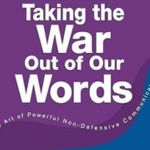
This classic, recommended by Liz Hill, has become an important resource in communication. Ellison teaches a way of speaking and listening without defensiveness or blame. Her approach replaces argument and persuasion with clarity, curiosity, and authenticity.
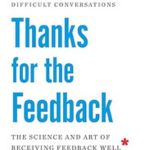
Stone and Heen explore why feedback can feel so threatening and how to receive it productively. They provide strategies to manage defensiveness and embrace feedback as growth. They introduce receiving feedback effectively as a skill and provide helpful ideas and tools.
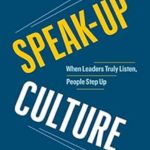
Recommended by my colleague Scott Deyo, this book emphasizes building organizations where people feel safe to voice ideas and concerns. Shedletzky offers research, stories, and guidance for leaders.
Explore structured learning opportunities for foundational knowledge and continued professional development.
A foundational program for understanding the organizational ombuds role, core principles, and essential practices.
Explore the CourseBrowse online courses and learning options related to ombuds work and complaint resolution.
Browse CourseraExplore training designed to build practical skills and knowledge for current and aspiring ombuds.
Visit Ombuds AcademyAccess online professional development and learning opportunities from the International Ombuds Association.
Visit the Learning CenterExplore resources, tools, and training designed to support ombuds practitioners and continued professional development.
Visit The Ombuds InstituteHear ombuds practitioners discuss their paths, their work, and the ideas shaping the profession.
Hosted by Brooke Wichmann, Ombuddy spotlights the people and pathways behind organizational ombuds work.
Find the PodcastSana Manjeshwar hosts candid conversations about the human side of conflict, leadership, trust, and speaking up.
Listen on iHeart Watch on YouTubeFollow current news, practical guidance, and professional learning from across the ombuds field.